The First 24 Hours After Water Damage: A Homeowner's Playbook
What you do in the first 24 hours after water damage largely determines your claim outcome, your restoration cost, and whether mold becomes a second disaster. This is the playbook we wish every homeowner had.
Minute Zero: Stop the Source
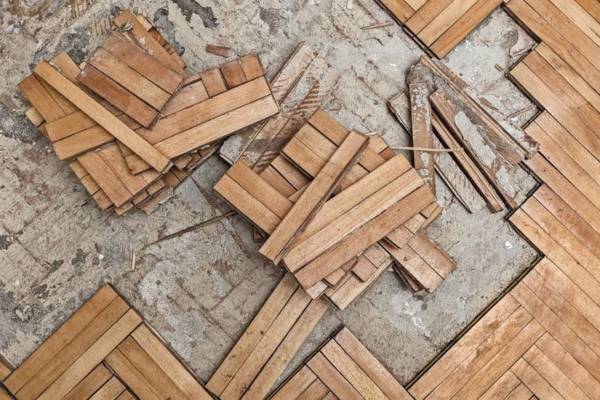
Water damage isn't a single event. It's a process that compounds every hour. Drywall absorbs water at roughly 1 inch per hour when wet. Hardwood floors begin cupping within 6–12 hours. Mold begins growing on wet cellulose materials (drywall, cardboard, wood) within 24–48 hours at typical Texas indoor humidity.
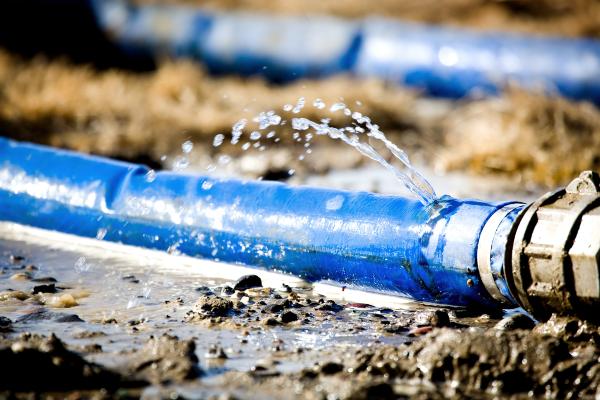
Your single most important action is stopping the source of water. For supply-line failures, that means turning off the main shutoff valve — usually at the meter near the street, or at a shutoff on the side of the house where the main enters. Take 30 seconds right now if you haven't already to locate yours so you're not fumbling in a crisis.
For roof leaks from a storm, source-stopping means either reaching the exterior (rarely safe during a storm) or getting a tarp up — which is why emergency tarp-and-board-up is the first thing restoration crews do when we arrive.
For sewage backups, do not attempt to clear a main-line blockage yourself. Category 3 black water is a biohazard. Get a plumber and a restoration crew simultaneously.
Hour 1: Document Everything
Before you touch anything, before you throw anything away, before you move any furniture — take photos and video. Every room. Every angle. Wide shots and close-ups. Furniture before you move it. Personal belongings before they're boxed up.
Insurance adjusters are looking for two things: proof that damage occurred suddenly and accidentally (not gradually due to deferred maintenance), and proof of extent. Your phone photos taken within the first hour of discovery are the single strongest piece of claim evidence.
Record a short voice memo describing what happened: 'This is [name], today is [date] at [time]. I just came home and found…' This timestamps your account and clarifies details you'll forget by week two.
Save anything you removed from packaging that was damaged. Keep receipts for emergency expenses. Keep the failed pipe or appliance if at all possible — it's evidence of the loss.
Hour 2: Call Your Insurance
Most Texas homeowner's policies require you to notify the carrier 'promptly' after a loss. Calling within 24 hours is universally considered prompt. Calling within 2 hours starts the clock on their response and is always the safer play.
When you call, you'll get a claim number. Write it down. You'll reference it every single conversation about this loss for the next 30–90 days. You'll be assigned an adjuster — usually within 24–48 hours. Note the adjuster's name and direct contact.
Do not accept the first cash settlement offered during this call. Adjusters often make preliminary estimates that are low. You have the right to get your own estimate from a qualified restoration company (us, or anyone else) and to get supplements as hidden damage is discovered.
Your policy gives you the right to select your own restoration contractor. If your adjuster insists on a 'preferred vendor,' that's usually a vendor who has a volume agreement with the carrier — not necessarily a vendor who will advocate for you. You can thank them and choose your own.
Hours 2–6: Start Mitigation
While you're waiting for your adjuster and restoration crew, you can take steps to minimize further damage. These are covered costs under nearly every policy (check for 'duty to mitigate' language).
Move unsoaked valuables and furniture away from affected areas. Remove area rugs from wet flooring — keeping them in place wicks water further into the subfloor. Lift draperies off wet floors. Pull wet upholstery off the floor.
If water is on hardwood floors, use clean cotton towels to pull up as much as possible. Do not use colored towels — dye transfer from wet towels will stain your floors. Do not use a shop vac unless it's rated for liquid (most household vacs are shock hazards with water).
Open windows if outside humidity is lower than inside. In Central Texas summer, it usually isn't — keep AC running and set to a moderate temperature. Do not turn the AC off to 'save energy' — dehumidification while drying is critical.
If you safely can, unplug electronics from affected areas and move them. Cord damage is fixable; a water-damaged TV is a write-off.
Hours 6–24: The Restoration Crew Arrives
We (or any IICRC-certified restoration crew) will perform a formal assessment with thermal imaging and moisture meters. The goal is to find every wet material, including hidden moisture in walls, under flooring, in cabinetry, and in insulation.
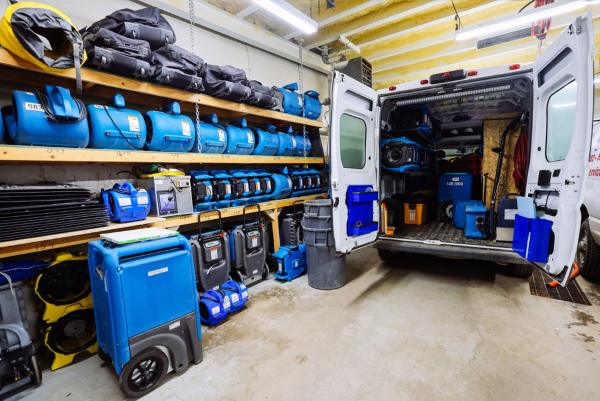
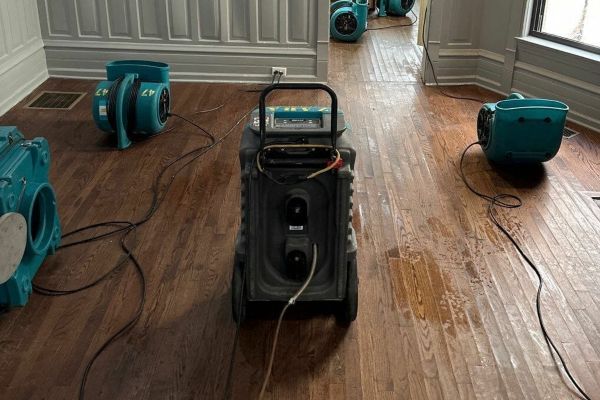
You'll see equipment get staged: water extraction machines, LGR (low-grain refrigerant) dehumidifiers, air movers, and sometimes injectidry systems for structural cavities. This is not your mom's box fan operation — proper drying requires specific airflow volumes and humidity ratios per IICRC S500 standards.
Containment barriers may go up if there's any concern about mold or category-3 water. HEPA air scrubbers may start running. This is professional work that prevents the follow-on mold claim.
By the end of day one, you should have: a documented scope, a plan for drying (typically 3–5 days), a timeline for rebuild, and initial communication with your insurance adjuster. You should NOT have dry drywall yet — that takes days.
What NOT To Do In the First 24 Hours
Don't walk through standing water if there's any chance electricity is still on to the affected room.
Don't start ripping out drywall yourself before documenting and before professional assessment. You need the evidence, and premature demo often removes material the adjuster needs to see.
Don't agree to any contractor's 'we'll handle the whole claim for you' pitch without reading what you're signing. Some contracts have assignment-of-benefits clauses that transfer your claim rights to them — and in Texas, AOB abuse has become a real problem.
Don't turn off the drying equipment overnight. We know it's loud. Run it anyway.
Don't throw anything away until the adjuster has seen it or authorized disposal.
Don't hire a restoration crew who can't show you IICRC certification cards and proof of Texas licensing + insurance.
After 24 Hours: What's Next
Drying typically takes 3–5 days. During that time, you'll see the equipment still running. That's correct — aggressive drying is what prevents mold and secondary damage.
After drying completes, the mitigation phase ends. Your restoration crew will produce a rebuild scope that matches the insurance estimate. You'll sign off before any rebuild work begins.
Rebuild takes 2–12 weeks depending on scope. Simple drywall and flooring repair: 1–2 weeks. Kitchen or bathroom gut: 4–8 weeks. Whole-house reconstruction: 2–6 months.
Your claim may require supplements as hidden damage is found during demo. This is normal. Your restoration company's job is to document it and negotiate with your adjuster on your behalf.
Frequently Asked Questions
Do I have to use the restoration company my insurance recommends?
No. Texas law gives you the right to select any qualified contractor. Your insurance cannot force you to use a specific vendor.
Can I dry my house myself with fans and a dehumidifier?
Technically yes for very small losses (a spill from a glass, a minor appliance leak on tile). For anything involving wet drywall, carpet, or subfloor, professional drying is the difference between a water damage claim and a mold remediation claim three months later.
Will my rates go up if I file a water damage claim?
Typically no for a single claim. Multiple claims in a short period can affect renewal. Your adjuster or agent can confirm your specific carrier's rate impact rules.
What if the damage happened a few days ago and I didn't notice right away?
File the claim as soon as you discover it. Delayed discovery is covered under most policies. The carrier may investigate whether the damage was gradual or sudden. Document what you knew and when.
Need Help with Restoration?
Moisture Pro provides 24/7 restoration services across Central Texas. IICRC-certified, insurance-direct.
Related Guides
How to File a Water Damage Insurance Claim in Texas: Step-by-Step
Texas insurance claim processes have quirks. Knowing them upfront saves you money and frustration. Here's the full playbook from adjuster assignment through final payment.
Read GuideIICRC Standards Explained: Why They Matter for Your Restoration
IICRC certification is restoration's closest thing to a professional license. Here's what the standards require, why they exist, and how to verify your restoration crew actually follows them.
Read Guide