Mold growth is caused by water damage, hidden leaks, flooding, humidity, or poor ventilation, our team uses proven remediation methods and professional equipment to address the problem at its source and help prevent future mold issues.
Mold growth can spread quickly throughout a property when excess moisture is left untreated. At Moisture Pro, we provide professional mold removal services designed to identify mold issues, safely remove contamination, and help restore healthier indoor conditions for your home or business.
Common Causes Of Mold Growth
Mold can develop in many areas of a property where moisture is present for extended periods of time. Addressing the source of moisture is one of the most important parts of effective mold remediation. Common causes of mold growth include:
Water damage
Leaking pipes
Roof leaks
Excess humidity
Poor ventilation
Sewage backups
Damp crawl spaces
Hidden moisture
Don’t Let Mold Continue Spreading
Mold growth can worsen quickly when moisture problems are left untreated. Contact Moisture Pro today for dependable mold removal and remediation services.
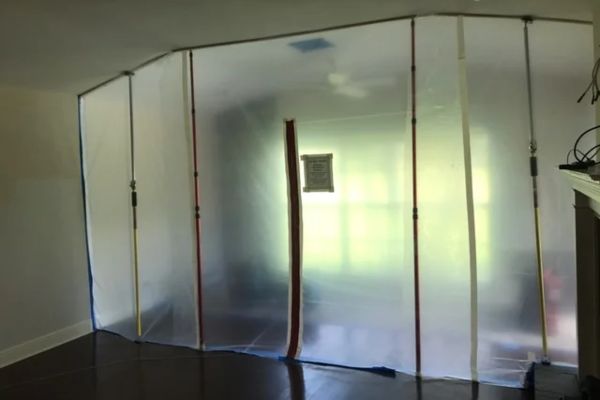
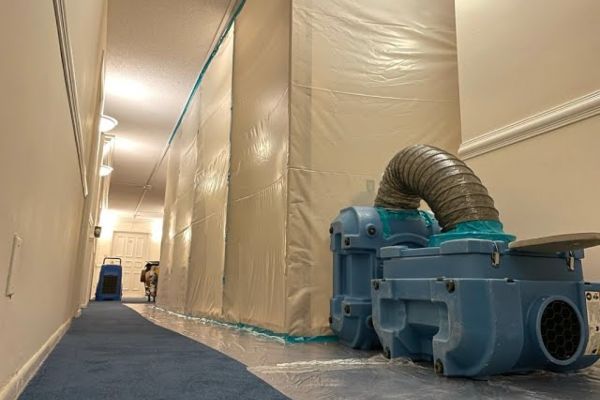
Containment barriers and professional equipment are used to help prevent mold spores from spreading during the remediation process.
Containment Of Affected Areas
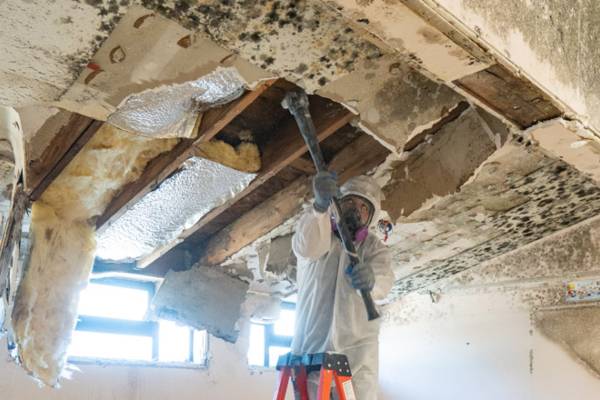
Mold Removal & Cleanup
Our team safely removes mold-contaminated materials and cleans affected surfaces using professional remediation techniques.
Mold Removal & Cleanup
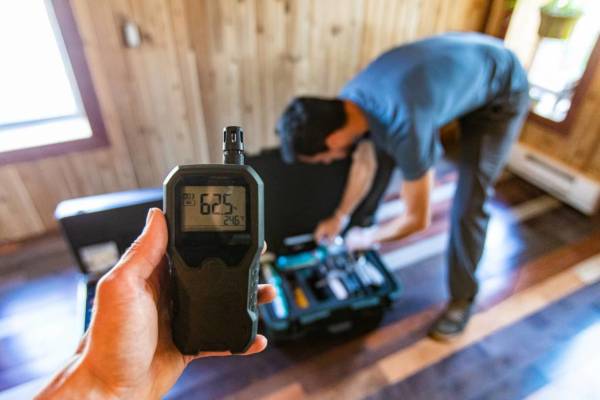
Drying & Moisture Control
We address excess moisture and thoroughly dry affected areas to help eliminate the conditions that allow mold growth to develop.
Drying & Moisture Control
Restoration & Final Inspection
Once remediation is complete, damaged materials can be repaired or replaced, and a final inspection is performed to ensure the area has been properly restored.
Restoration & Final Inspection
Restore A Healthier Indoor Environment
At Moisture Pro, we’re committed to helping property owners remove mold safely and restore cleaner, healthier indoor spaces with dependable remediation solutions.
Moisture Pro provides professional mold remediation services throughout Waco, Temple, Killeen, Belton, Nolanville, and surrounding communities across Bell, McLennan, Coryell & Williamson Counties.
Primary Service Areas
Waco
Temple
Killeen
Belton
Nolanville
Central Texas Surrounding Communities
Frequently asked questions
We understand that mold issues often leave property owners with important questions about cleanup, safety, and prevention. Below are answers to some of the most common questions we receive.
Yes. We provide mold remediation services for both residential and commercial properties.
Still have questions?
Every mold situation is different, and our team is here to help you understand the best remediation options for your property. Whether you need an inspection or want to schedule mold removal services, we’re ready to assist.
Contact Moisture Pro today to learn more about our professional mold removal services.